
What Is the 3-Minute Rule for Air Conditioners?

AC Basics July 2026
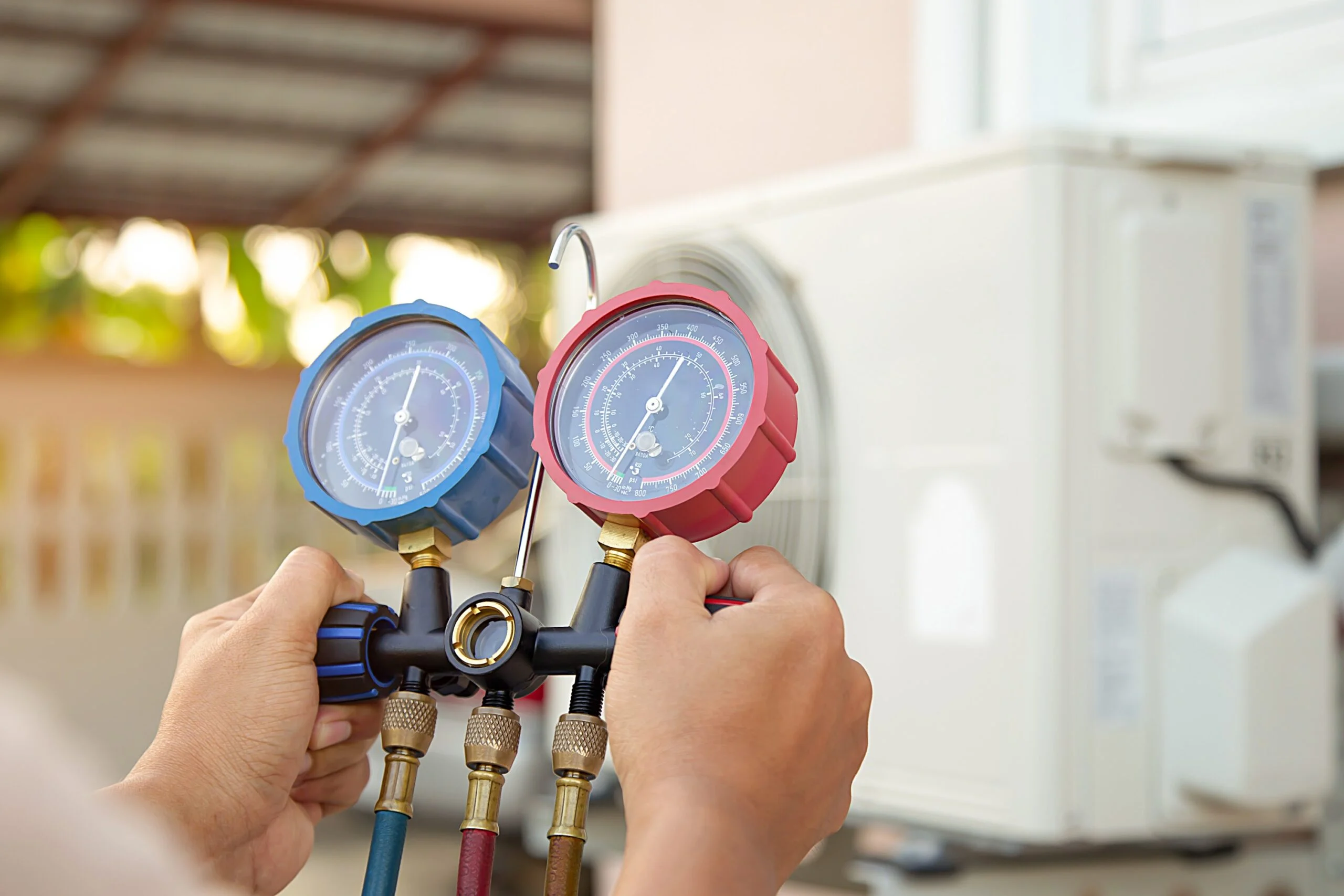
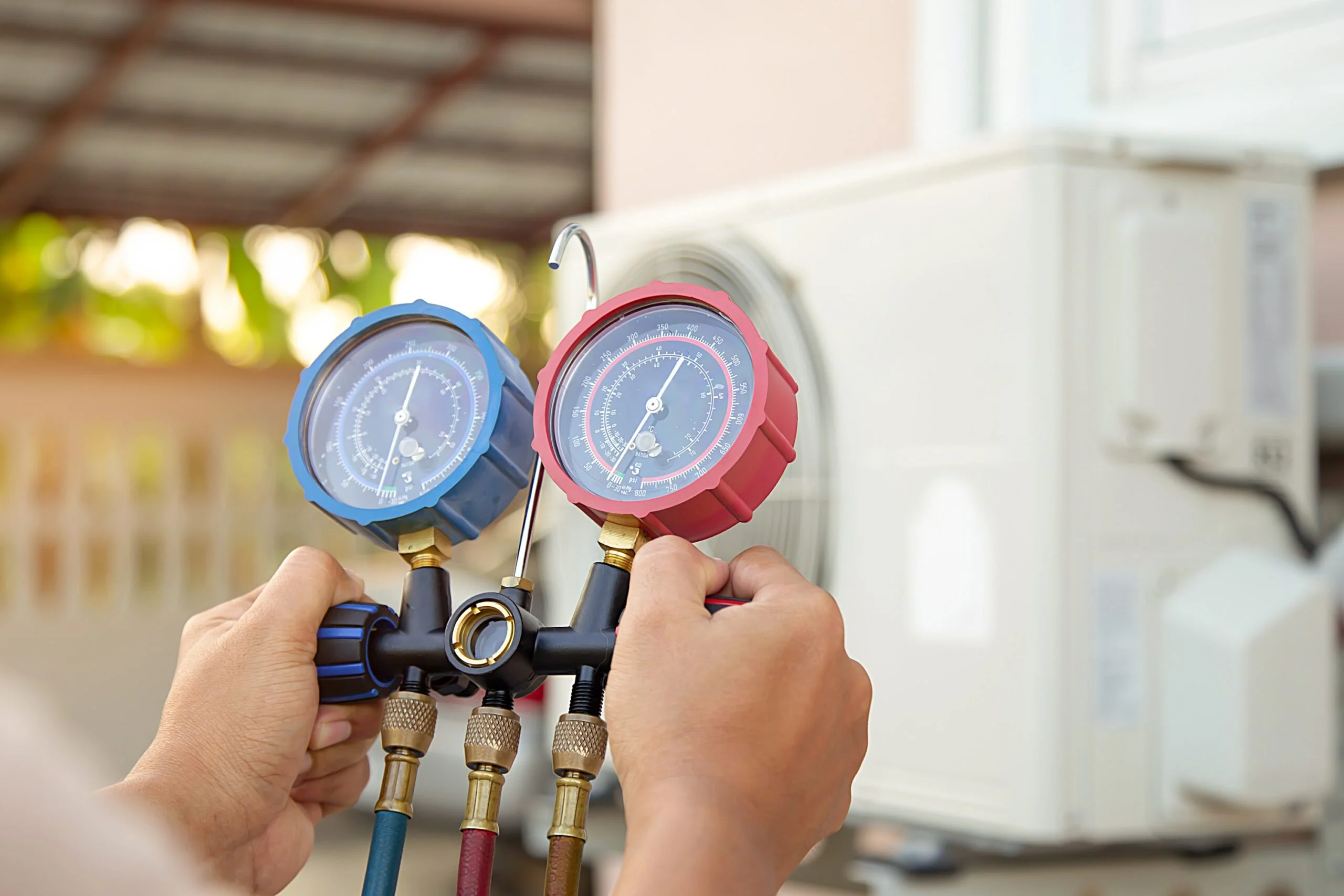
Outdoor air conditioning condenser unit

The 3-minute rule: wait at least three minutes before restarting an air conditioner after it shuts off.

Most modern thermostats enforce this automatically, which is why you sometimes flip the system on and nothing happens for a few minutes. That delay is deliberate and it is protecting the most expensive part of your system.

Why three minutes

When the compressor stops, refrigerant pressure on the high and low sides of the system is unequal. It takes a few minutes to equalize.

Try to start the compressor before that happens and it is working against that pressure difference. That means a much higher starting current draw, real mechanical strain, and often a tripped breaker. Do it repeatedly and you shorten the compressor’s life, which on most systems is the repair that ends the system’s economic life.

When this actually comes up

After a power outage or a storm. This is the big one on this coast. Utilities do not restore power cleanly, and the surges and brownouts during restoration are harder on a compressor than the outage itself. Leave the system off at the thermostat for a few minutes after power returns.

When you are troubleshooting. The instinct when something seems wrong is to switch it off and straight back on. Give it the three minutes.

After adjusting the thermostat repeatedly. Nudging the temperature up and down can cycle the compressor faster than it should run.

The 20-degree rule. An air conditioner can generally only cool the air about 20 degrees below the outdoor temperature. On a 98-degree Englewood afternoon, an indoor temperature around 78 is the system working correctly, not failing. If you have set it to 72 and it will not get there, that is often physics rather than a fault.

The short-cycling problem. If your system turns on and off every few minutes on its own, that is not the 3-minute rule at work, that is short-cycling, and it is a fault. Common causes are an oversized system, a dirty filter restricting airflow, low refrigerant, or a thermostat in a bad location. It is worth diagnosing, because short-cycling wears the compressor and leaves the house humid even when it reads the right temperature.

The 1-inch filter rule. A standard 1-inch filter in Florida needs changing every 30 to 60 days, not the 90 days printed on the box. Our systems run more hours and move more dust.

The one that matters most here

If your air conditioner is short-cycling, do not ignore it because the house feels roughly right. In this climate the second job an AC does, pulling moisture out of the air, only happens during long steady runs. A short-cycling system cools without dehumidifying, and a house that sits at high humidity for years develops problems that outlast the equipment.

If your system is cycling every few minutes, or the house is at temperature but feels damp, get it looked at.
FAQ

Frequently Asked Questions

The answers Southwest Florida homeowners ask us most often.

What is the $5,000 rule for AC?
Multiply the age of the system by the cost of the repair. If the result is over $5,000, replace it; if it is under, repair it. A 10-year-old system facing a $600 repair gives you 6,000, so that leans replace. It is a rough guide rather than a law, and on this coast it leans further toward replacement than it would inland, because salt exposure shortens equipment life here.
What is the 3-minute rule for air conditioners?
Wait at least three minutes before restarting an air conditioner after it shuts off. Restarting sooner can make the compressor try to start against high refrigerant pressure that has not equalized yet, which is hard on it and can trip the breaker. Most modern thermostats enforce the delay on their own.
What is the average lifespan of an AC unit in Florida?
Shorter than the manufacturer figure. Florida systems run close to year round, so a well-maintained inland unit commonly reaches 12 to 15 years. Within a few miles of the Gulf, where salt corrodes the outdoor coil and electrical components, 8 to 12 is more realistic without proactive corrosion care.
What does a typical AC repair cost?
The cost depends on what failed. Contact us to arrange an inspection and discuss the repair options.
Why is my AC running but not cooling?
The common causes are a dirty filter restricting airflow, low refrigerant from a leak, a failed capacitor stopping the outdoor fan, a frozen evaporator coil, or a clogged condensate drain shutting the system down on its float switch. If the house is at temperature but still feels damp, that is a different problem: usually an oversized system that short-cycles and never dehumidifies.
Do you offer emergency AC repair in Englewood?
Yes. True AC of Southwest Florida provides 24/7 emergency air conditioning service in Englewood and nearby communities. Call (941) 229-6946 any time.
How often should an AC be serviced?
Once a year is the floor. For homes within a few miles of the Gulf, including Manasota Key, Grove City, Placida, and much of Englewood, twice yearly is the better call. The difference is almost entirely about how often the condenser coil gets rinsed of the salt that corrodes it.
How quickly can a technician get to my home?
We serve Englewood, Rotonda West, Grove City, Placida, Port Charlotte, and nearby communities. Call to ask about the next available appointment.
What areas do you serve?
We serve Englewood, Rotonda West, Grove City, Placida, Manasota Key, Englewood Isles, South Gulf Cove, Cape Haze, Port Charlotte, North Port, Venice, Punta Gorda, Nokomis, and Sarasota, across Sarasota and Charlotte counties.

Find Us in Southwest Florida

Based in Englewood and dispatching across Sarasota and Charlotte counties, from Sarasota and Nokomis down through Venice, Rotonda West, Port Charlotte, and Punta Gorda.

The True family of companies

3,000+ Reviews Across the True Family

Real reviews for True Plumbers, True Builders, True Roofers and True Aluminum. True AC is the newest company in the family and works to the same standard.

Tap to call (941) 229-6946 Get a Quote →